
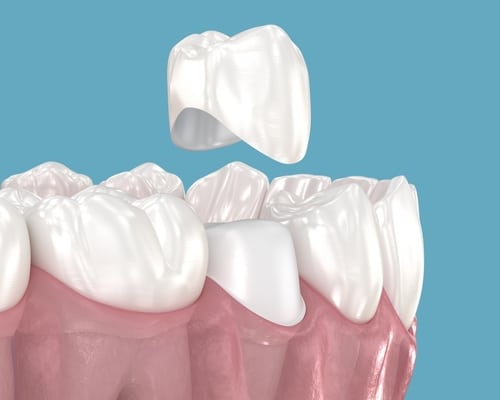
What does it take to save a tooth once the tissue inside it can no longer heal? Sometimes, treating the problem inside the tooth is only one part of the answer. A root canal crown may also be needed to protect the tooth we are working to preserve and help it withstand biting and chewing afterward. At Sonora Dentist, we recommend root canal treatment when the pulp inside your tooth is irreversibly inflamed or infected. Our first concern is removing the source of the issue and preserving your natural tooth when we can. From there, we have to consider how much healthy tooth structure remains and what it will take to keep that tooth functioning. For many teeth, a crown is an important part of completing that work.
What Happens If I Don’t Get a Root Canal Crown?
A root canal treats the problem inside your tooth, but we still have to think about the condition the tooth is in when treatment is finished. How much healthy tooth is actually left? Is there enough structure to handle the pressure you put on it every day?
Often, the tooth was already compromised before we started. Maybe a deep cavity destroyed part of it, or an old filling takes up a large portion of the tooth. We may also be working with a crack or damage from an injury. To perform the root canal, Dr. Berger has to create an opening to reach the pulp and canals inside.
Once the root canal is complete, we do not want to leave a weakened tooth doing the same work it did before. A crown rebuilds the portion that has been lost and covers the remaining tooth, helping it handle the forces of biting and chewing. Without that protection, the tooth can fracture. And if a fracture extends far enough, there may not be enough healthy tooth left to repair.
Can My Tooth Be Restored Without a Crown?
However, having a root canal does not automatically mean you need a crown. Molars and premolars often require crowns because they handle considerable chewing force. On the other hand, anterior teeth may have enough healthy structure remaining to be restored another way.
Dr. Berger considers how much healthy tooth remains, whether the tooth has a large filling or crack, where it sits in your mouth, and the forces it handles when you bite. Clenching and grinding can factor into that decision, too. The root canal addresses what happened inside your tooth. The next decision is how to keep the tooth functional once you start using it again.
How Soon Is a Crown Placed After a Root Canal?
Finishing a root canal and receiving your permanent crown do not always happen on the same day. In some cases, the crown process can begin soon after treatment. In others, Dr. Berger may want to give the tooth some time before placing the final restoration. During that time, your tooth may have a temporary filling or temporary crown.
The timing depends partly on what brought you in for treatment. A molar with a large filling and significant decay may require a different plan than a tooth that still has much of its natural structure. Dr. Berger also considers whether the tooth is cracked, how much structure remains, whether you still have symptoms, and how the tooth responds after the root canal.
Once the tooth is ready for a crown, Dr. Berger prepares it and takes an impression to create the final restoration. A temporary crown may protect the tooth while the permanent one is being made. For a lab-made crown, this part of the process commonly takes a couple of weeks.
Find Out What Your Tooth Needs Next!
A tooth that needs a root canal is one we are trying to save. The sooner Dr. Berger can evaluate it, the better he can determine whether that is still possible and what the tooth will require after treatment.
If you are experiencing persistent tooth pain, sensitivity, swelling, or discomfort when you bite, contact Sonora Dentist in Sonora, CA. Dr. Berger will examine the tooth, identify the source of the problem, and determine whether root canal treatment is appropriate. If a crown is part of the plan, you will know why it’s recommended and how it fits into restoring the tooth for continued use.
Book your appointment and find out what it will take to keep your natural tooth.
